

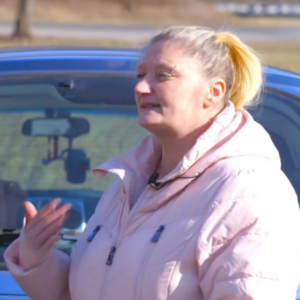
After losing their jobs during the pandemic, Melissa and her boyfriend were living in her car. It was winter, and as the couple attempted to keep cold days and nights at bay, the car battery would die and fuel tank drain. To add to their worries, Melissa had been born with two holes in her heart, and she would soon need surgery to replace her fourth pacemaker.
Then, the couple learned about 211. Staffed 24/7 by trained, empathetic Contact Specialists who take the time to listen (in multiple languages), 211 assessed their situation and quickly provided Melissa with helpful, even life-saving tools.
Like most people struggling to make ends meet, Melissa and her boyfriend faced multiple challenges. 211 connected them with the team at Brian Gibbons Homeless Outreach and other providers and programs that could coordinate to address the range of issues they faced.
After calling 211, things began to shift. Rick Povalaitis, founder of Brian Gibbons Homeless Outreach, connected with the couple. He brought food and gas cards and checked on them every day.
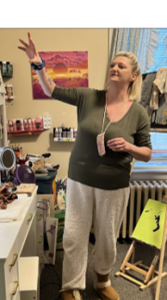 But more pressing issues needed attention. Melissa’s cardiac issues had plagued her all her life. And substance abuse had exacerbated them.
Using the coordinated resources 211 had shared, Melissa saw this was her chance to turn her life around. Drawing upon every last ounce of her own determination, she entered rehab. It saved her life – and led her to discover she had a talent for painting beautiful images. Now, Melissa lives in an apartment, and her art covers the walls.
Several of Melissa’s paintings also hang in homes and offices outside of Waterbury. United Way of Greater Waterbury creates a New Year’s card every year, featuring an illustration of its community work. Depicting a winter scene for the cause, Melissa captured the feeling of warmth that had eluded her when she had lived, day after day, in her car.
A single phone call to 211 began a new chapter for Melissa: “I finally have hope.”