 “My mental health suffering began in 8th grade, coinciding with puberty. I had low self-esteem, felt self-conscious, suffered from self-hatred and was frequently in a negative mood. I felt negativity toward myself, school and the world.
I didn’t realize these were symptoms of depression.
In high school I started having panic attacks, and sophomore year I began self-harming. I was active on social media and on Tumblr. It was there that I began seeing posts about general anxiety and panic attacks and, for the first time, I was able to put names to my feelings: depression, suicidal thoughts, anxiety, self-harm.
So now I had the names, but what could I do about it? For me, I experienced constant intrusive thoughts that changed the way I viewed the world and the objects in it. It wasn’t like I had anything planned out, these thoughts showed up as disturbances in my everyday life. For example, I would be walking down the stairs at high school and think about throwing myself down them. Or, if I approached a crosswalk in the street, I would think about throwing myself in front of a car. At the same time, I was on my high school’s varsity swim team. No one would have ever guessed or noticed that I led a secret life or noticed the scars that I sneakily hid under my swimsuit.
I was scared to talk about my feelings for fear of the outcome, and I didn’t want to disappoint my wonderful parents who gave me a good childhood – I wanted to protect them from feeling that they had failed.
I had been struggling for a long time. I was lucky to be able to confide in friends who related to me and were also struggling with similar issues and on social media communities.
During the last two years of high school, I experienced my first boyfriend and my first breakup. My first boyfriend didn’t relate to having mental health struggles or the nuances that come with them and didn’t really know how to support me. I had been wanting help for a long time but didn’t know what to do. I also always had this overbearing feeling that my problems weren’t serious or ‘bad enough’ to seek professional help.
During our breakup, it became obvious that I needed professional help, but I knew I couldn’t do it without my parents or the support of another adult. It wasn’t until my mom found my college essay I had left in the printer that she discovered what I had been hiding. It was then that I was finally able to admit how much I had been struggling. At first, she was apprehensive; I was swim team captain, president of after-school clubs, had good grades, tons of friends and hobbies, how could I be depressed? How could I be thinking about suicide? It took a couple of tough conversations, but eventually she came to understand and helped me book my first therapy appointment.
I went to therapy for a year before I started college. It helped me to understand the root causes of what I was going through and better understand myself. Unfortunately, therapy fell by the wayside when I started college at Southern. Telehealth didn’t exist at the time, and I was reluctant to go to the school clinic, thinking that my problems weren’t as great as others’, that someone else needed those spaces more than I did. But, through the deep reflection techniques I learned in therapy and tips others shared on social media, I created a mental ‘toolbar’ of skills I could use that helped me cope with my struggles. For example, when I start to feel a panic attack coming on, I use the 5, 4, 3, 2, 1 grounding method:
In the room right now, name:
- 5 things you can see
- 4 things you can hear
- 3 things you can feel
- 2 things you can smell
- 1 thing you love
I also find the Calm Harm app for self-harm and the Reframing Negative Thoughts technique very valuable.
[It’s important to note that although social media was helpful to me in many ways, it could be a harmful and toxic place too, showing images of self-harm and encouraging eating disorders. While it’s important that we keep social media a common and sacred meeting space for young people, we also need to make it safe by ensuring that proper and evidence-based messaging and resources are available.]
From early high school, I knew I wanted to be in the mental health field and help change the system, make it more accessible and help people like me. I centered my college essay around my favorite quote from Brené Brown: ‘One day, you will tell your story of how you overcame what you went through, and it will be someone else’s survival guide.’
I earned my bachelor’s in psychology and later, my master’s in social work, focusing on community organizing and policy.
Even though I was healing and had a great college experience, I still had my ups and downs. Mental health is a life-long battle. I think there were many things that contributed to my mental health issues: puberty and hormones (which I hope we do more research around), environmental and social factors, etc. But the most important thing I realized is that we never need a ‘reason’ for struggling with mental illness or suicide. It can affect anyone. This understanding helped my healing journey. Instead of struggling with suicidal ideation multiple times a week, I struggle maybe two times a year. I now have the skills to recognize what’s happening and help me get through it.
If you are or have a teenager, I hope that by sharing my story you take away these nuggets:
- There are probably many people in this world who do not understand you, but trust that there are also so many who do, you will find them.
- Therapy and resources are not a one size fits all, it’s about finding what works best for you as an induvial, and that may take time.
- No, our mental health system isn’t perfect, but it is improving every year, every month, every day, and there are people like me who have been where you are, who are working hard to keep making it better.
- Even when it doesn’t feel like it, there ARE resources and people out there available and able to help you.
- Everyone’s support system looks different, some people find support in their parents, some find support in friends, co-workers, online communities. Wherever you find it, it’s important to have healthy – support and connection.
- You are not alone.
- It’s sometimes hard to believe people when they say it gets better – I sure didn’t believe it when I was younger. It’s hard to believe because the healing process and life in general are like a roller coaster. The truth is that you may dip many times during healing. It’s a push and pull process that isn’t as simple as going to therapy one day and suddenly feeling ‘cured.’ I still have bad days now, but I used to have only bad days; now most of my days feel good, and happy and free.
- Healing is not about needing to feel 100% but feeling even 10% better than you felt at the darkest times. That matters and deserves to be celebrated. You are important; that 10% is important. 100% is a hard expectation to put on yourself or others. Even people who do not struggle with mental health issues do not feel 100% every day. You are human, it’s okay to not be okay.
- Even though struggling with mental health is a very negative experience, there are some positives that can come out of it. I gained so many skills in empathy and resilience, I built a career for myself from my experience and found my life’s passion.
- You may be fighting a demon that is nasty and strong but know that you are stronger. You can do this. Don’t give up. Stay strong. The roller coaster ride of life is worth all the ups and downs that come with it.”
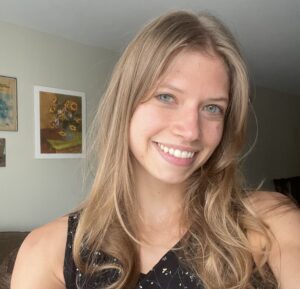
Thank you Alyeska for sharing your experience, strength and hope with us.